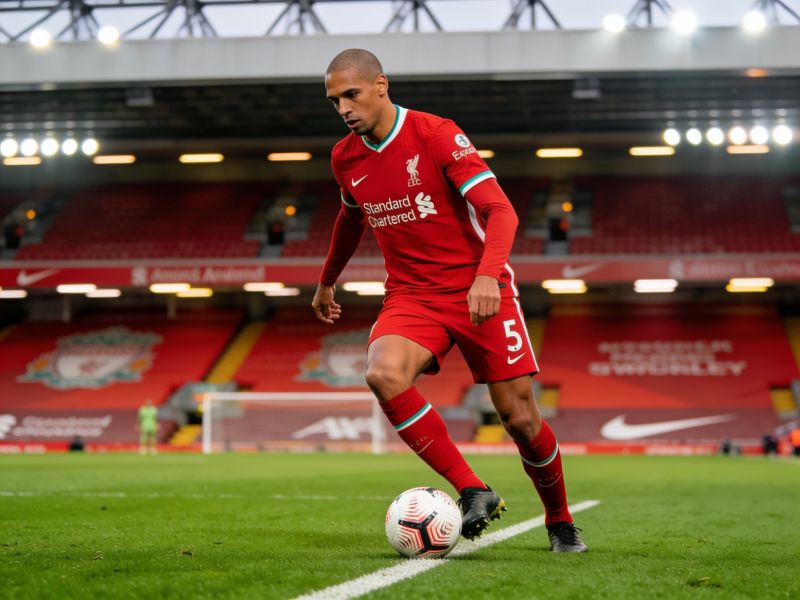
he South American European Super Cup, though not an official FIFA competition, has a storied history that dates back to 1985 when the first match was played between Juventus and Argentinos Juniors. That inaugural encounter, held at the Stade de la Beaujoire in Nantes。ended in a penalty shootout victory for the Italian side after a 2-2 draw. It was a scrappy, intense affair—typical of the era—and set the tone for a competition that would occasionally produce magic but always demand respect.What makes this fixture compelling is the clash of styles. South American teams bring flair, improvisation, and a certain street-smart toughness. European sides counter with tactical discipline, physical preparation, and squad depth. When these elements collide, the result is rarely dull. Take the 1993 edition: São Paulo。inspired by Raí and Müller, dismantled AC Milan 3-2 in Tokyo. The Brazilian side's quick passing and movement left the famed Milan defense grasping at air. It was a performance that reminded Europe that South American football was not just about individual brilliance—it was about collective intelligence too.Yet the competition's irregular scheduling has been both a blessing and a curse. Unlike the UEFA Super Cup or the Recopa Sudamericana, which are annual certainties, the South American European Super Cup has been played sporadically—only 15 times between 1985 and 2007. This inconsistency has diluted its prestige。but it has also preserved a sense of occasion. When the match does happen, it feels like a rare treat rather than a contractual obligation. The 2007 final, for instance, saw Boca Juniors edge out AC Milan on penalties after a goalless draw. The tension was palpable;you could feel the weight of history in every tackle.
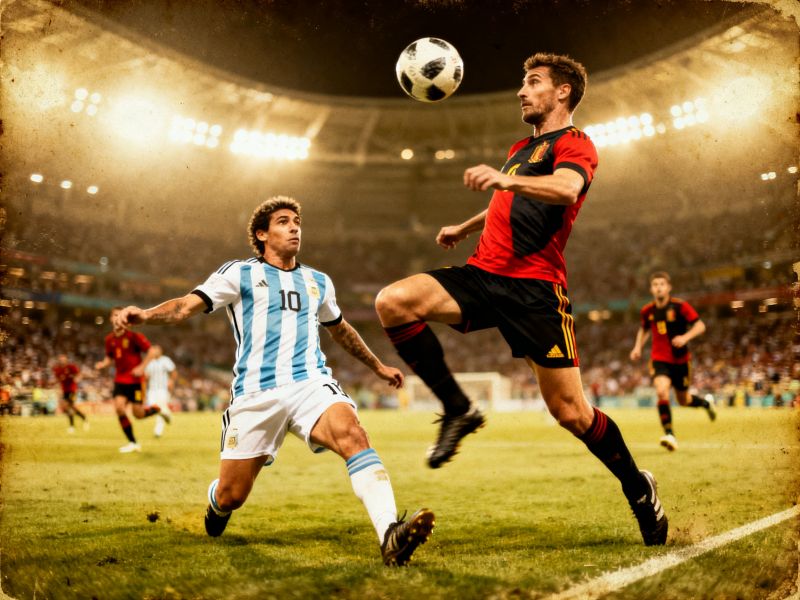
From a personal standpoint。I find the South American European Super Cup more intriguing than its European counterpart. The UEFA Super Cup often feels like a curtain-raiser, a chance for Champions League and Europa League winners to stretch their legs. The intercontinental version carries more cultural weight. It's a genuine test of footballing philosophies. When River Plate faced Juventus in 1996, the Argentine side's aggressive pressing and rapid transitions exposed the Old Lady's aging midfield. Juventus won 1-0, but the match was a tactical chess game that lingered in the memory longer than the scoreline suggested.Financial disparities have grown since the competition's heyday. European clubs now generate revenues that dwarf those of their South American counterparts。and the gap is reflected on the pitch. The 2007 Boca-Milan match was the last of its kind, and there's little appetite for a revival. Still, the South American European Super Cup remains a fascinating footnote—a reminder of a time when football's two hemispheres met on more equal terms. For those who remember the 1985 final or São Paulo's masterclass in 1993。the competition holds a nostalgic charm that no amount of money can replicate.